2026-10-13
Bangbae-dong Dermatology: What “Jaryeohan” Means and How to Choose the Right Clinic for You
Explains the meaning of “jaryeohan,” natural yet striking beauty, and how to choose a Bangbae-dong dermatology clinic by identifying the cause of your concerns and what to keep.

Bangbae-dong Dermatology: What “Jaryeohan” Means and How to Choose the Right Clinic for You
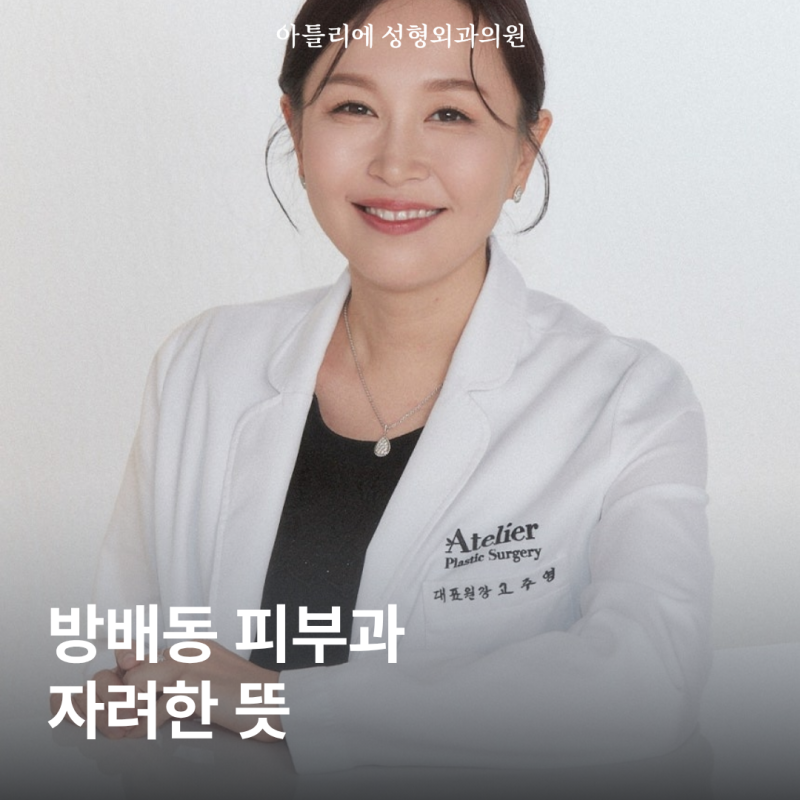
Hello, this is Atelier Plastic Surgery, a dermatology clinic in Bangbae-dong.
“Doctor, please make it look natural.”
“But I’d really like to look noticeably prettier.”
These are things we hear often in consultations.
Recently, the term “jaryeohada” has also come into use to describe a beauty that is both natural and striking.
You want a clear change for the time and money you invest, but you probably don’t want anyone to look at you and think you’ve had a procedure or surgery.
So how can you look naturally and noticeably more beautiful?
The key is not simply making fewer changes, but accurately determining what to change and what to keep.
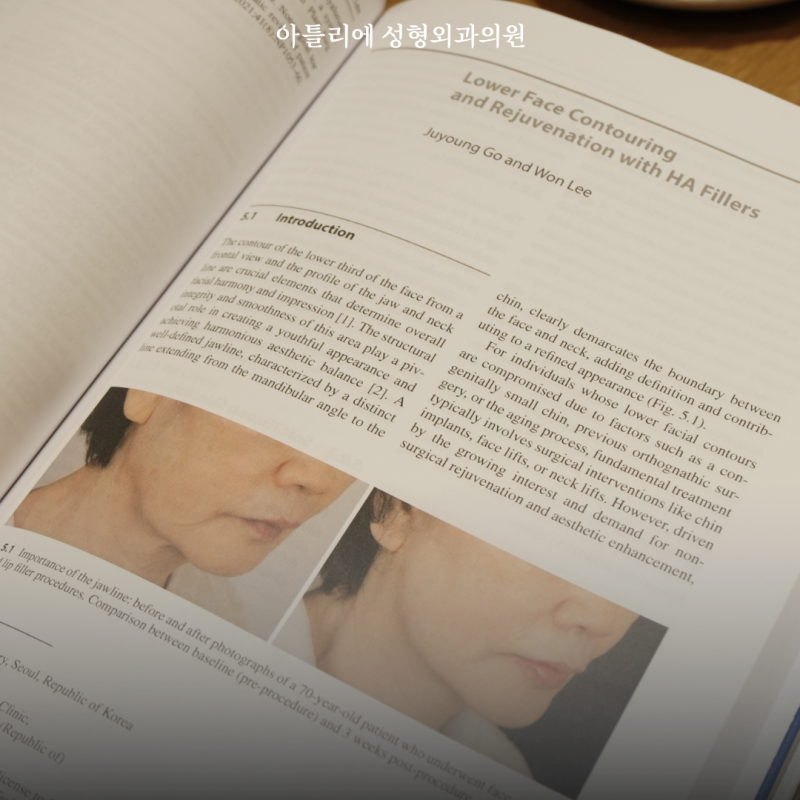
Naturalness begins with harmony in the face.
In consultations, patients and medical staff sometimes picture different results even when they use the same word, “natural.”
A doctor may see what looks like a sufficient change, yet the patient may still feel something is lacking,
and a result that is objectively harmonious may still feel unfamiliar to the person themselves.
Naturalness is not determined by the size of the change alone.
What matters is whether the eyes, nose, mouth, and facial contours work together and flow without awkwardness, even when making expressions.
Fewer procedures don’t necessarily mean a natural result, and a noticeable change doesn’t automatically look unnatural.
In the end, what matters is not how much you change, but whether the change moves in a direction that suits your individual face.
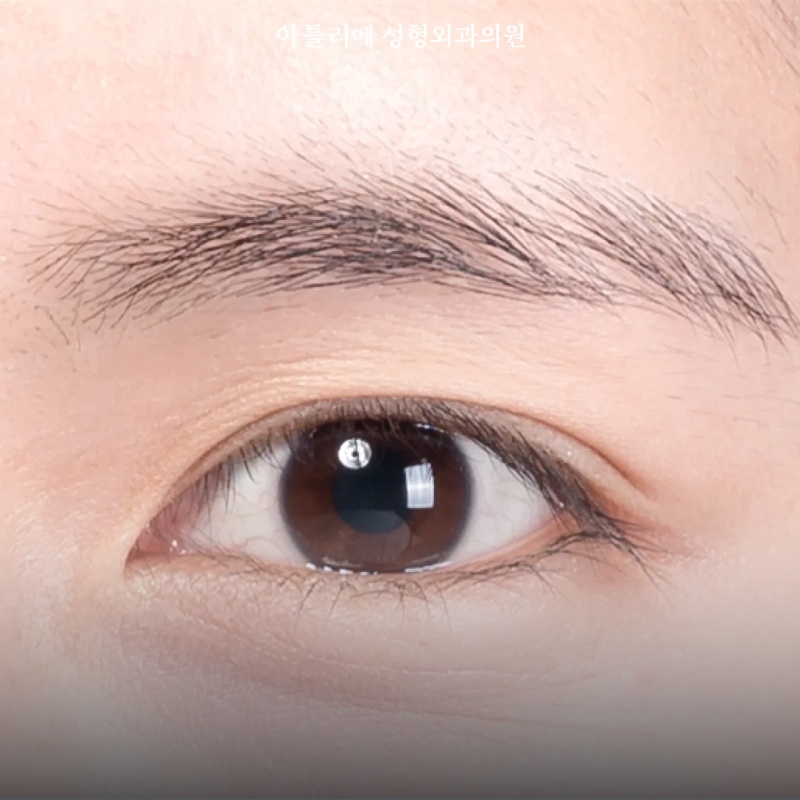
The concern you notice and its actual cause may be different.
For example, the feeling that your eyes look small can’t be explained by eye size alone.
Various factors can affect it, such as the function of the muscles that open the eyes, the amount of eyelid skin, and the position of the eyebrows.
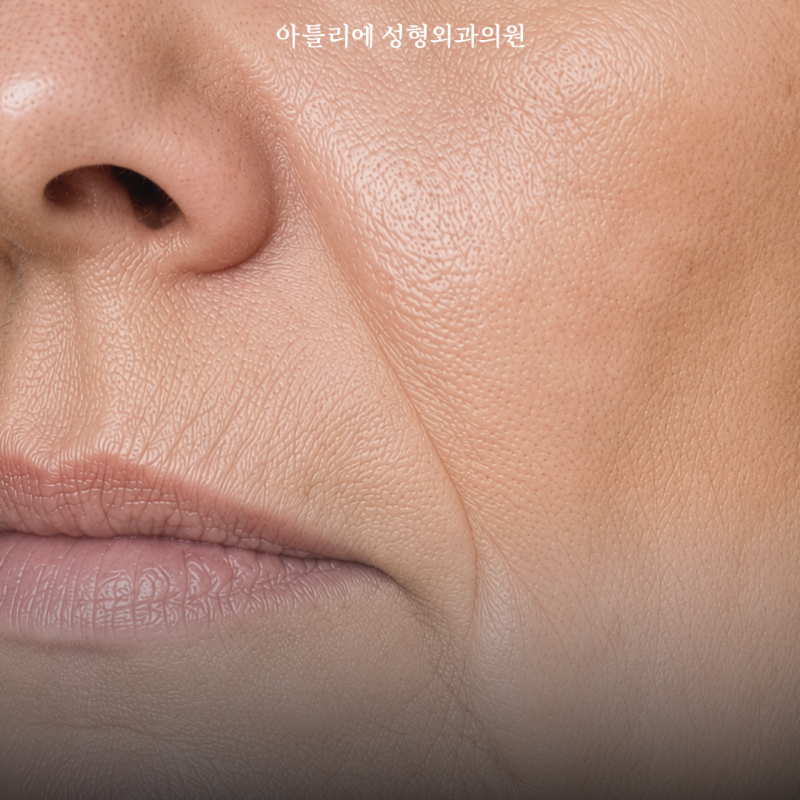
Nasolabial folds may not be a problem limited to that area alone, either.
How deep they look can vary depending on cheek volume loss, tissue sagging, and the structure supporting the area beside the nose.
Rather than judging a visible feature as a flaw and correcting it right away, it’s important to first examine the cause behind that impression.
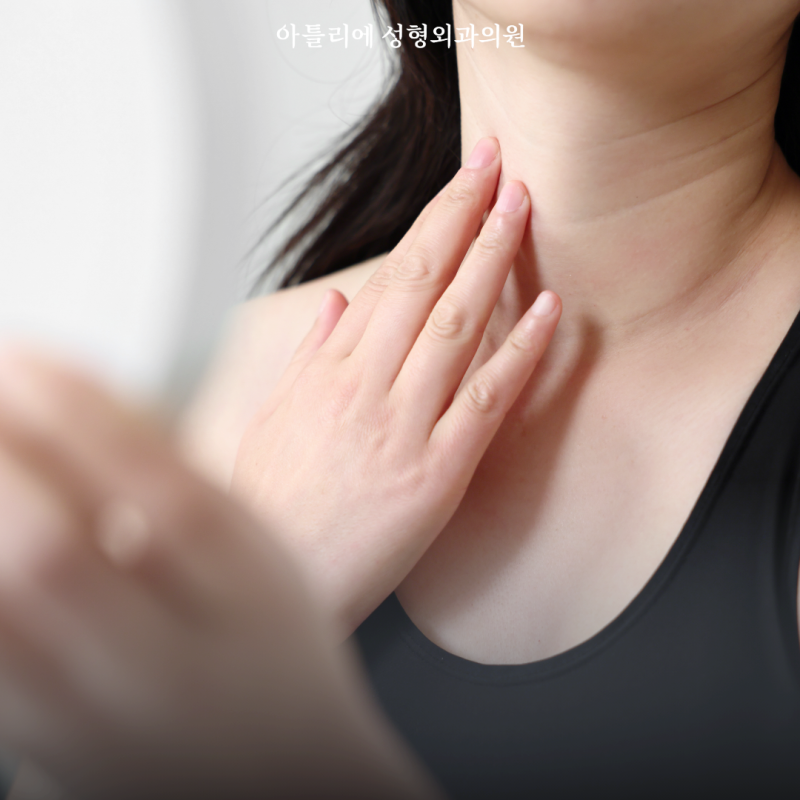
By accurately identifying the cause, you can reduce unnecessary procedures, appropriately improve what needs attention, and maintain overall facial harmony.
Even the same procedure is planned differently for each person.
Wanting a natural result doesn’t mean every treatment should be kept to a minimum.
Botulinum toxin, too, is planned with different doses and injection points depending on muscle development and movement, the pattern of wrinkles, and the level of improvement you want.
Some people want to keep natural facial movement as much as possible, while others want their wrinkles to be noticeably softened.
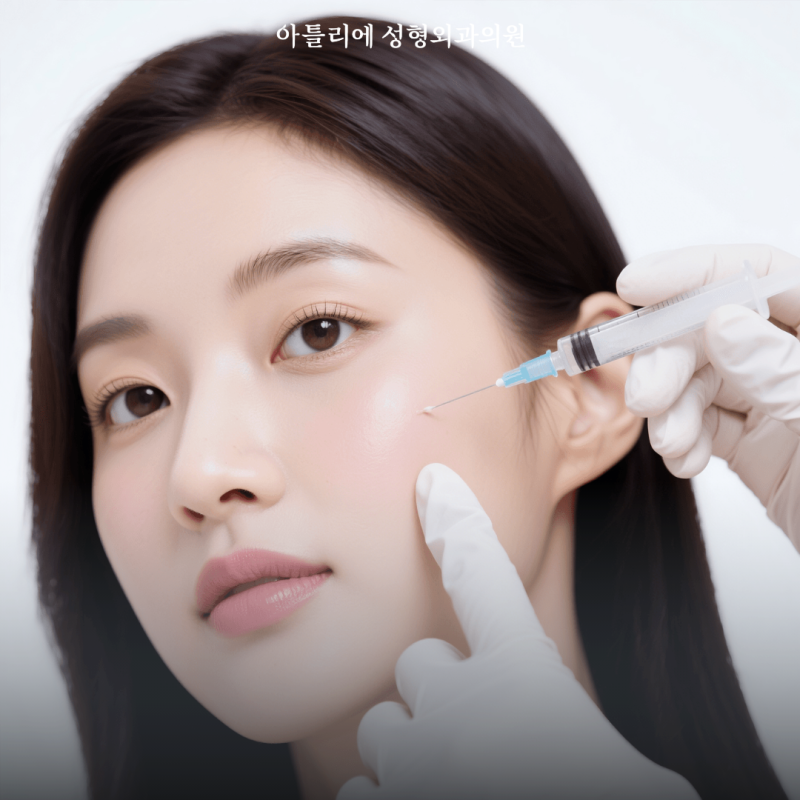
However, aiming for a bigger change doesn’t mean that stronger treatment is always the right answer.
In particular, if you habitually use your forehead muscles to lift your brows, you should also consider the possibility that your brows may drop or your eyelids may feel heavier after treatment.
To get closer to a satisfying result, it’s important to review not only the effect you want, but also functional changes and potential side effects.
Deciding what to leave alone is just as important as deciding what to change.
When skin has loosened or tissue has sagged with age, it may look more natural to appropriately improve the sagging areas
rather than significantly altering the face’s existing features.

On the other hand, if the cause of your concern is an innate anatomical structure, structural correction may be needed.
It’s also important to distinguish between what can be improved with procedures alone and what is better addressed with surgery.
For example, eyelid skin that covers the eye can’t be removed by a procedure that only adjusts movement around the brow area.
After comprehensively evaluating the brow position, the ability to open the eyes, and the extent of skin coverage, surgery may be considered if necessary.
Of course, surgery comes with recovery time, scarring, and possible complications, so it’s important to carefully compare the expected benefits with the burden.
What matters is not choosing a specific procedure or surgery first, but choosing the approach that fits the cause of your concern.
Please share the changes you want along with the features you’d like to keep.

Before your visit to our Bangbae-dong dermatology clinic, it helps to think about the following four points.
First, think about which area bothers you and why. Is it the specific area itself, or
the overall impression it creates that you find unsatisfying? Try to be as specific as you can.
Second, consider how much change you want. Are you looking for subtle refinement, or a change you can clearly notice yourself?
Third, think about what you want to keep as it is. Features you’d prefer not to change, such as your original eye shape, facial contour, or unique overall mood, are also important.
Fourth, consider how much recovery time you can set aside. The appropriate treatment and timing can depend on when you need to return to your daily routine and any important schedules.

Based on this information, our medical team can explain in detail which changes are possible, their limits, and the treatment options and precautions involved.
Looking naturally prettier: clearly more beautiful, yet a face that harmonizes with the mood you already have.
The natural beauty Atelier in Bangbae-dong envisions is close to this kind of look.
Simply having fewer procedures or avoiding surgery is not the right answer for everyone.
It’s important to accurately understand your current facial structure and the cause of your concerns,
and to distinguish between the changes you want and the features you want to keep when choosing the right approach.
If you want to look natural yet noticeably prettier, consider not only what to change,
but also why you want to change it. Through a thorough consultation,
finding the direction that suits you is the first step toward a satisfying result.
#JaryeohanMeaning #BangbaeDongDermatology
Frequently Asked Questions
Is it possible to look natural yet noticeably prettier?
Yes, according to our clinic, it is possible when you accurately identify the cause and appropriately improve the areas that need it while maintaining overall facial harmony. The key is not making fewer changes, but accurately deciding what to change and what to keep.
Does a natural result mean fewer changes?
No, not necessarily. Fewer procedures don’t automatically mean a natural look, and a noticeable change doesn’t automatically look unnatural. What matters is not how much you change, but whether the change moves in a direction that suits your individual face.
Is the concern about small-looking eyes caused by eye size?
Not necessarily. Eyes can look small due to various factors, including the function of the muscles that open the eyes, the amount of eyelid skin, and the position of the eyebrows. That’s why it’s important to examine these causes together.
Can nasolabial folds be treated by focusing only on that area?
It may not be a problem limited to that area alone. How deep the folds look varies with cheek volume loss, tissue sagging, and the structure supporting the area beside the nose, so it’s best to examine the cause first.
Is botulinum toxin administered the same way for everyone?
No. The dose and injection points are planned based on muscle development and movement, the pattern of wrinkles, and the level of improvement you want. Wanting a bigger change doesn’t mean stronger treatment is always the right answer.
What should I organize before a consultation?
It helps to think ahead about the areas that concern you and why, how much change you want, the features you’d like to keep, and how much recovery time you have. Based on this, the medical team can explain which changes are possible, their limits, and the treatment options and precautions.