2026-10-26
Breast Bottoming Out and Capsular Contracture: A Seoul Gangnam Plastic Surgery Guide
A guide to breast bottoming out and capsular contracture from Seoul Gangnam plastic surgery, covering why they recur, revision options, and what to check before surgery again.
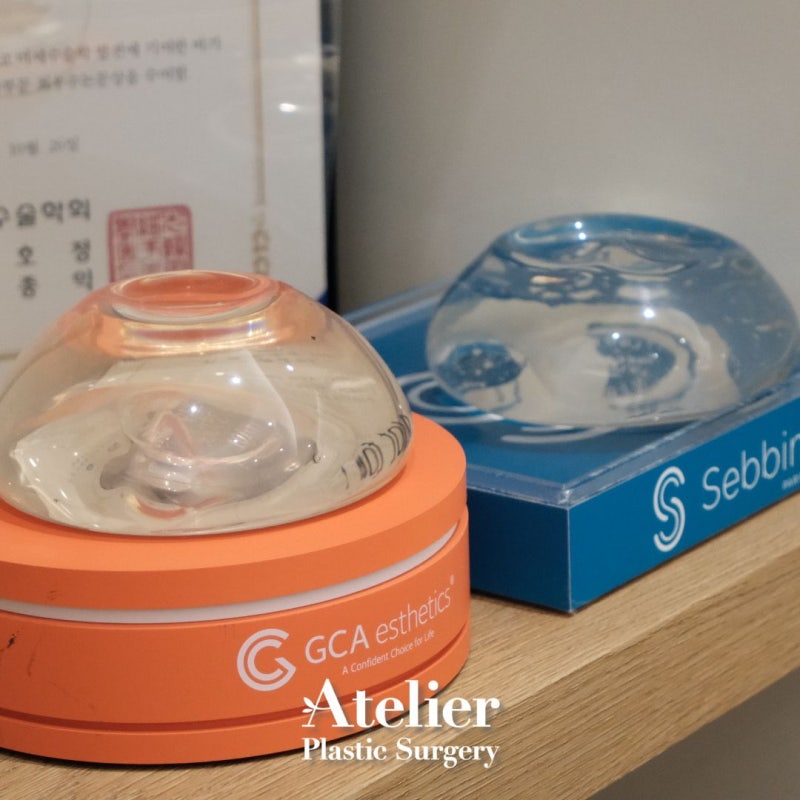
Here is a guide to breast bottoming out and capsular contracture from Seoul Gangnam plastic surgery.
Sagging and hardened breasts: can they be restored? Hardening and sagging are not a matter of body type. If you don’t know the cause, repeating the procedure will lead to the same result. Here we look at the real reasons behind repeated failures.
Hello, we are Atelier Plastic Surgery, with 18 years of sincere care behind us.
“Everyone else says it’s done in one go, so why do I keep getting breast bottoming out and capsular contracture?”
“My breasts have become hard as stone and uncomfortable every night, yet every time I’m told it’s just my body type.”
“I came in thinking this would really be the last time. Is it even possible to go back to how things were?”
When the excitement you first felt has faded and all that’s left is a hard texture and a collapsed shape, even making the same kind of decision again may not be easy.
Drawing on years of experience handling complex cases as a board-certified plastic surgeon in Seoul Gangnam, we will go through your questions one by one.
Q1. If capsular contracture keeps recurring, is it really because of body type?
Capsular contracture is hard to attribute to a single cause.
That’s because several factors can influence it, including inflammatory reactions after surgery, hematoma, infection-related factors, the position of the implant, and the condition of the surrounding tissue.
We need to look at what has happened in the past and what the tissue around the implant looks like now.
Rather than simply attributing it to body type, it’s important to build a next plan that fits your current condition.
Q2. Will the results be better if a clinic has ultrasound equipment?
Having equipment does not, by itself, determine the outcome.
Equipment such as ultrasound can be used to check the current condition of the tissue or to gather necessary information.
However, equipment alone does not immediately resolve a structure that has already been altered.
In revision surgery, we need to assess the whole picture: not only the visible shape, but also the space where the implant sits, the surrounding capsule and scar tissue, and any differences between the left and right sides.
Ultimately, what matters is not which equipment a clinic has, but how accurately it understands your current condition and how well it builds a plan to match.
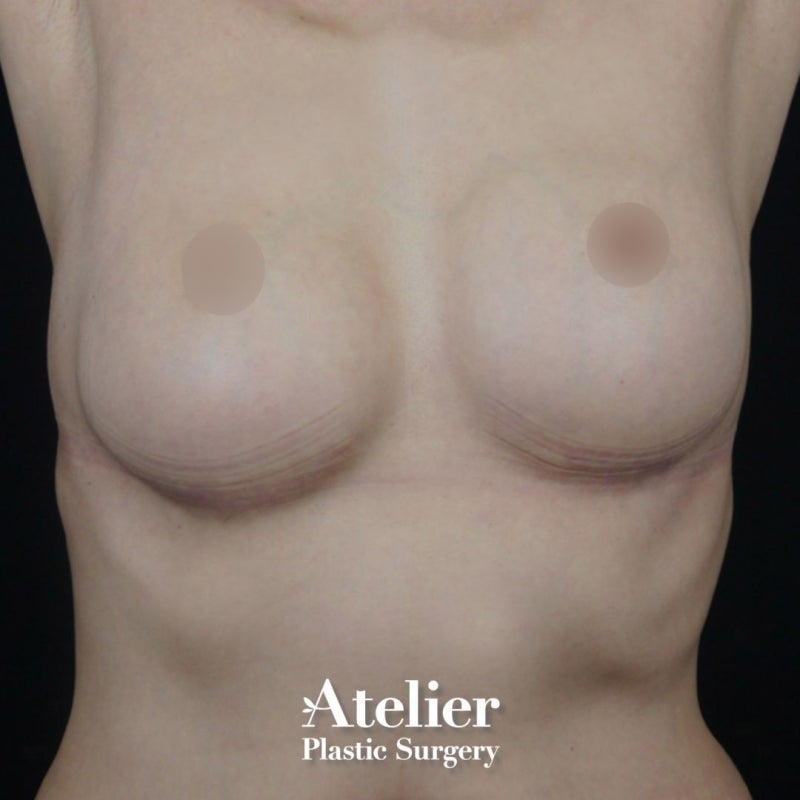
Q3. Can an implant that has shifted downward and become hard be restored?
Rather than declaring up front whether it’s possible, checking the current internal condition comes first.
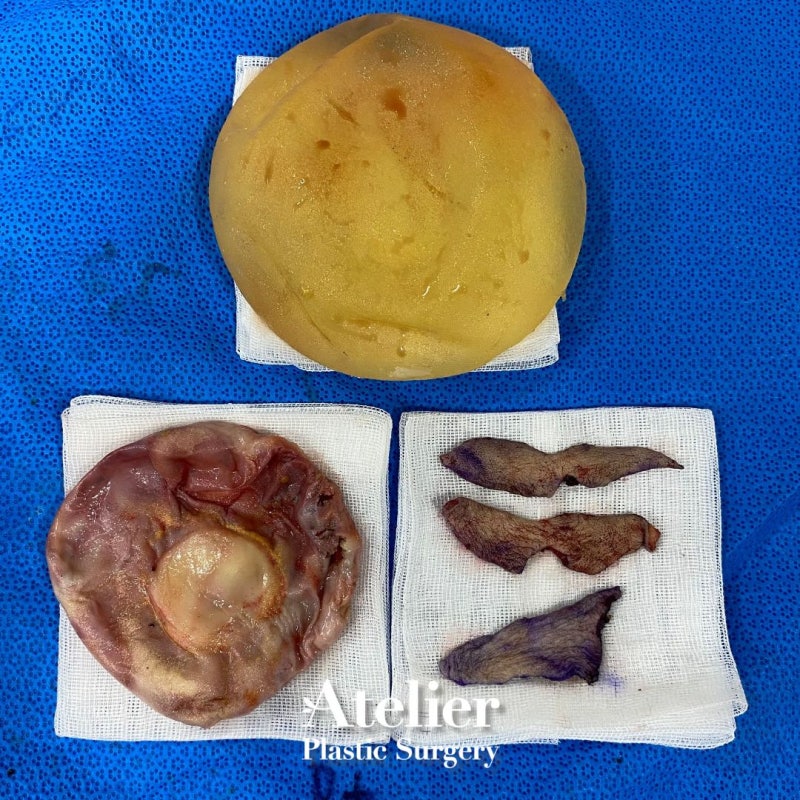
The more times surgery is performed, the thicker the capsule can become, and scar tissue may form.
As the space where the implant sits also changes, the result can be a condition different from the original.
If bottoming out has occurred, the approach should not simply move the implant back up. We first need to look at why it moved downward.
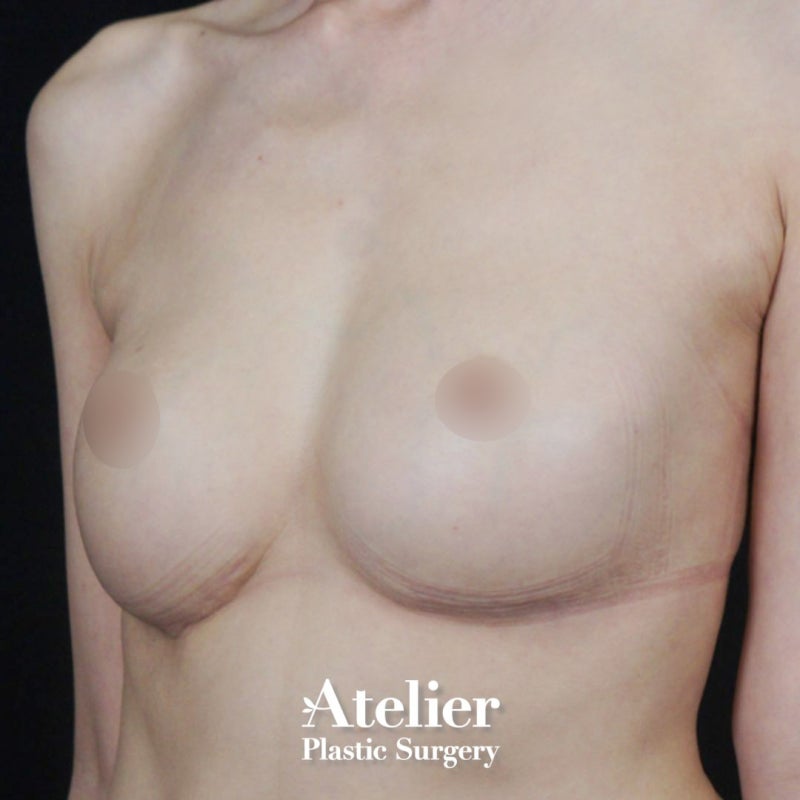
Where necessary, we first clear away the existing capsule and scar tissue.
We reexamine the space the implant occupies and reinforce the weakened lower support structure.
What matters is not simply reinserting an implant, but creating a stable position that suits the structure as it has collapsed.
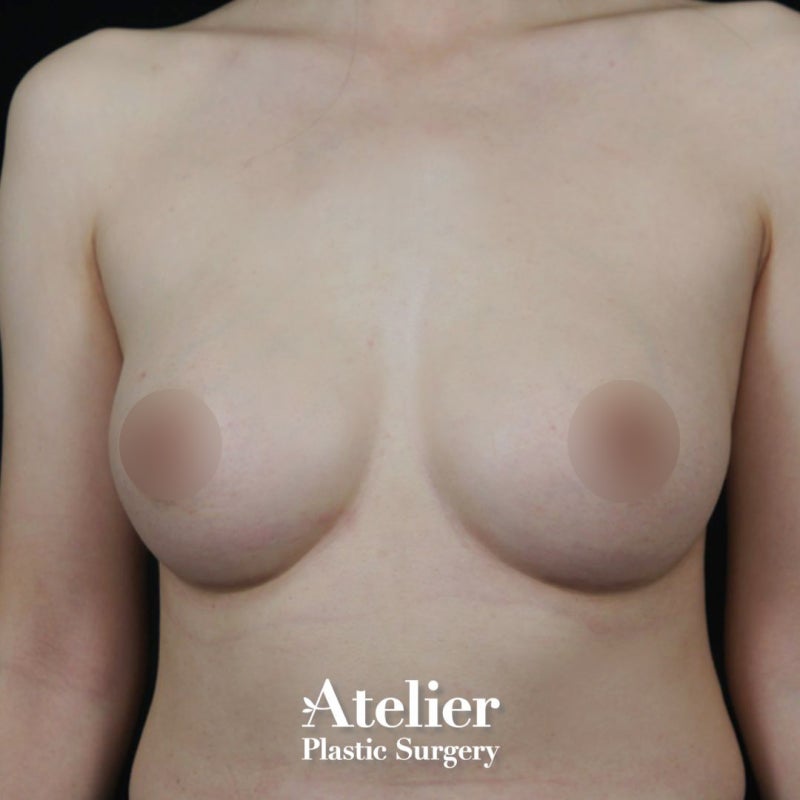
Q4. What should be considered first before having another procedure?
Beyond the type, size, and placement of the implant used previously, you also need to check what changes have occurred since then.
You first need to determine whether the current deformity is caused by the implant or by changes in the surrounding tissue.
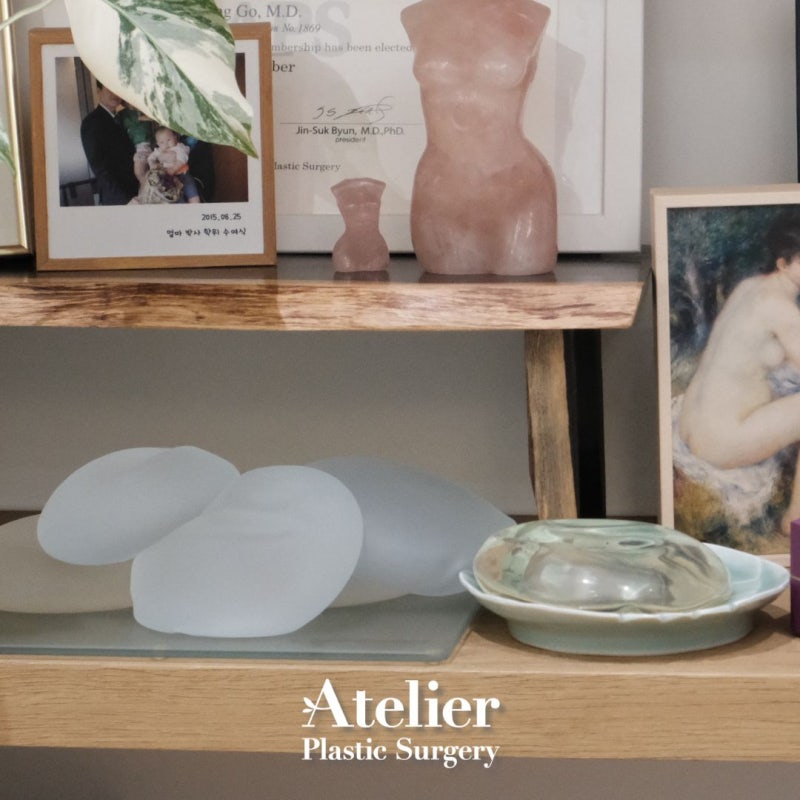
If several factors have acted together, the direction of treatment may also differ accordingly.
So when choosing a Seoul Gangnam plastic surgery clinic, rather than simply comparing reputation or equipment,
please check whether the clinic thoroughly explains the possibilities and limits of revision surgery, along with the expected risks.
Q5. For a recurring problem, what needs to be different this time?
Revision surgery is not simply repeating the same procedure once more.
Because the tissue has already changed and needs to be re-examined, both the traces of previous procedures and the current condition must be considered together.
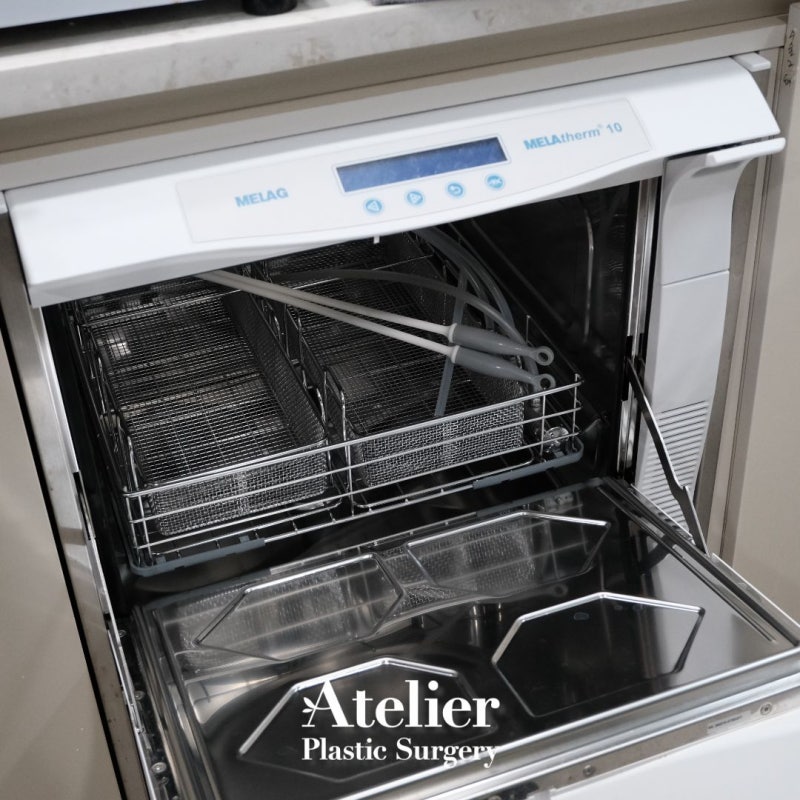
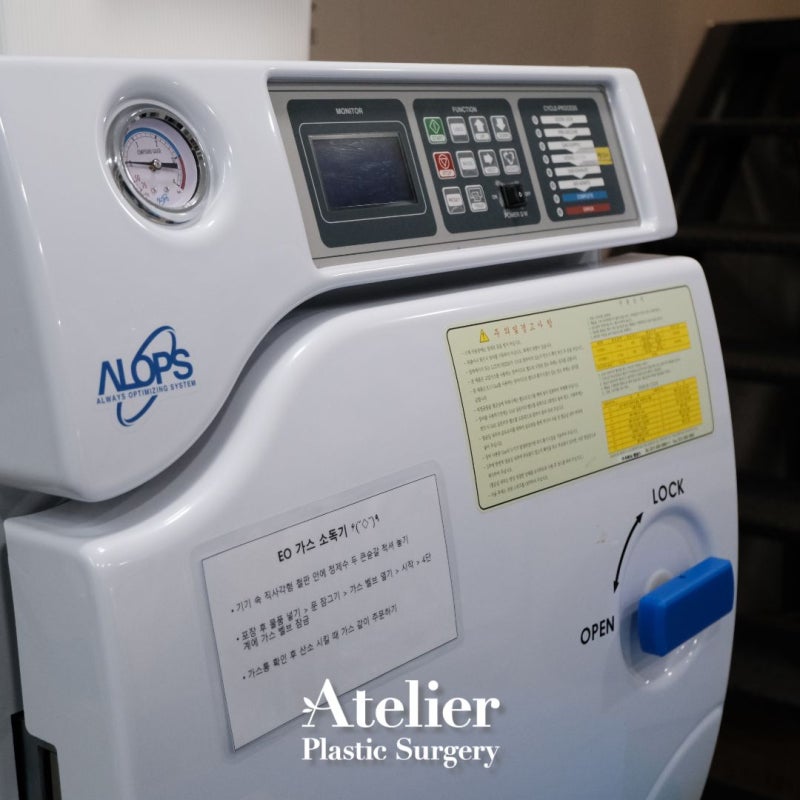
Hygiene management to reduce the risk of infection is also an especially important part.
Atelier Plastic Surgery applies hygiene management principles to lower infection risk, including the use of funnels, nipple shields, and disinfection.
Atelier Plastic Surgery, a Seoul Gangnam plastic surgery clinic that has treated more than 8,000 cases over 18 years,
offers one-on-one, customized care in which Dr. Ko Ju-young, the clinic’s head physician, personally oversees everything from consultation and surgery to follow-up.
Have you struggled with breast bottoming out and capsular contracture more than once?
Atelier Plastic Surgery in Seoul Gangnam will work with you to find your available options and a realistic path forward.
The more the surgery is truly for you, the more careful we must be. We stay with you from start to finish, with safety and attention to detail. |
Frequently Asked Questions
If capsular contracture keeps recurring, is it due to body type?
It is difficult to say it is due to body type. Capsular contracture is hard to attribute to a single cause, and factors such as post-surgical inflammatory reactions, hematoma, infection, the position of the implant, and the condition of the surrounding tissue can all play a role.
Do revision results improve if a clinic has ultrasound equipment?
Owning equipment alone is unlikely to make the results better. Ultrasound and similar tools can be used to check the current condition of the tissue, but they do not immediately resolve a structure that has already been deformed. What matters is accurately understanding your current condition and building a plan that fits it.
Can an implant that has dropped down and hardened be restored?
Rather than declaring up front whether it is possible, the priority is to check the current internal condition first. Where necessary, one approach is to clear away the existing capsule and scar tissue, reassess the space the implant occupies, and then reinforce the weakened lower support structure.
What should I check first before having another procedure?
First, check the type and size of the previous implant, where it was placed, and any changes since then. It is important to determine whether the current deformity is caused by the implant or by changes in the surrounding tissue. If several factors are involved together, the direction of treatment may also differ.
Is revision surgery just repeating the same procedure?
No. Revision surgery is not simply repeating the same procedure once more. It is a process of re-examining tissue that has already changed. The traces of previous surgery and the current condition must be considered together, and we emphasize that hygiene management to reduce the risk of infection is also important.