2026-11-04
Breast Implant Rupture Symptoms: How They Develop at a Yeoksam Station Plastic Surgery Clinic
Overview of how breast implant rupture symptoms develop, main causes, ultrasound-based damage checks, and why surgical options depend on individual tissue condition.
Breast Implant Rupture Symptoms: How They Develop at a Yeoksam Station Plastic Surgery Clinic
Rather than deciding on reoperation first, it is important to prioritize safety and balance based on what your body is currently able to handle.
Breast implants are medical devices that have been used clinically for a long time, with established standards and a proven record of safety.
The fact that they have been used in a wide range of cases
also means they have gone through repeated verification over time.
However, even with careful management,
depending on the passage of time, repeated physical pressure, and individual tissue response,
the possibility of breast implant rupture symptoms cannot be completely ruled out.
If you have recently started to feel a foreign-body sensation you did not have before,
or if you feel that the balance of your appearance has changed,
it may be worth having your implant checked.
In real clinical practice, many people begin consultations because of changes in the implant's internal structure,
such as implant damage or capsular contracture.
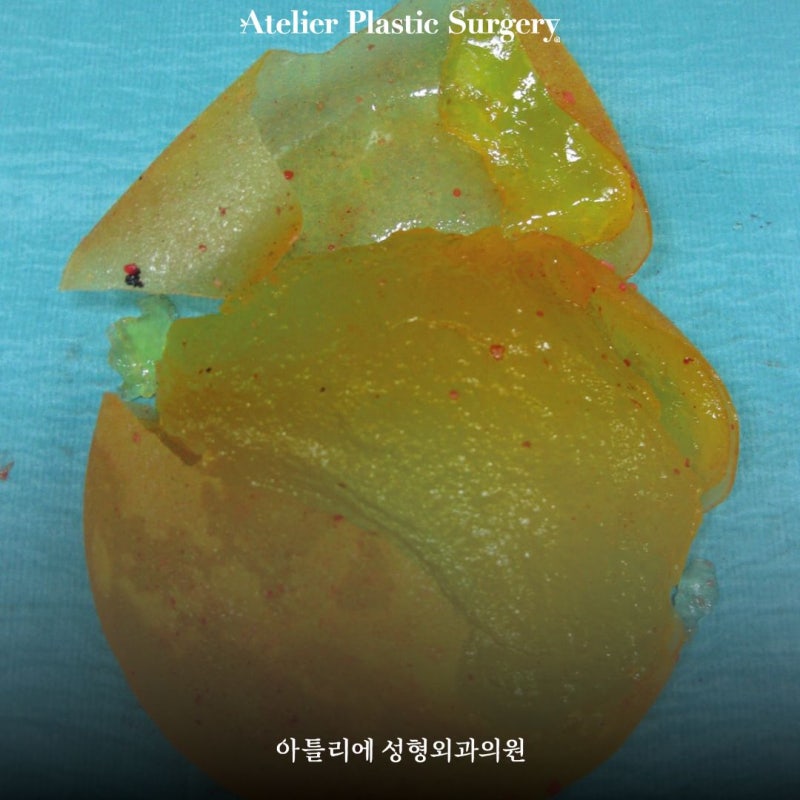
Breast implant rupture symptoms are often the result of the outer shell surrounding the silicone
being subjected to prolonged, repeated friction, or the capsule continuously applying pressure,
with the process often progressing gradually.
During this process, the filling material may shift slightly,
or surrounding tissue may become irritated. Even if nothing appears seriously wrong from the outside,
the capsule may thicken internally as a reaction.
Even without clear pain, these changes can
lead people to consider replacement or removal.
Breast implant rupture is usually caused by a combination of factors.
When an implant has been under prolonged pressure while folded,
when capsular contracture has made the capsule excessively hard,
or when several conditions act at the same time, which is common,
it is difficult to explain the cause with a single factor.
What matters, therefore, is not personal feelings or guesswork,
but an objective assessment of the current condition of the implant and surrounding tissue.
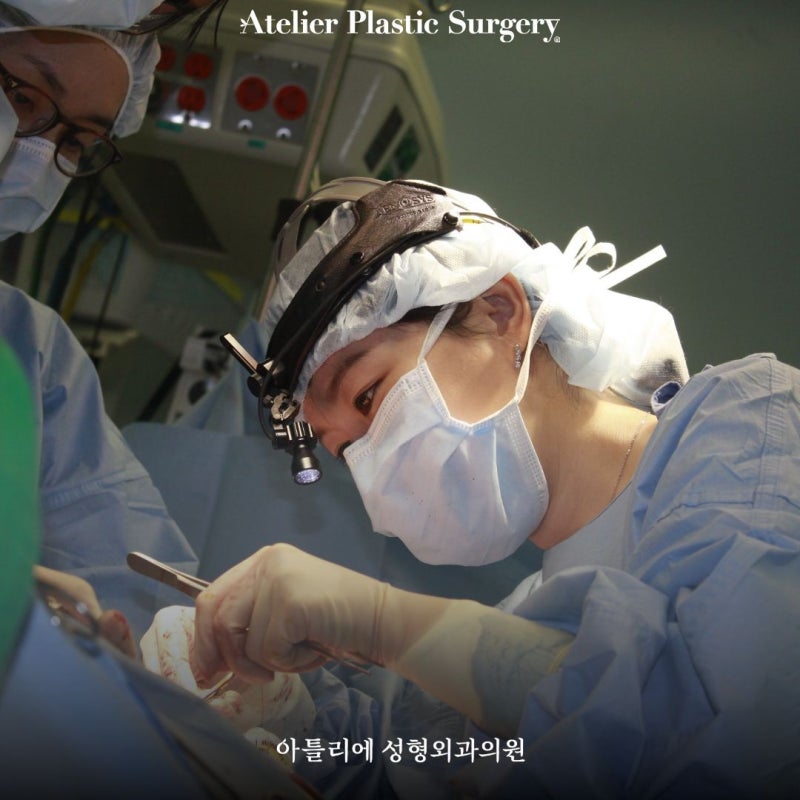
After first checking whether there is damage and how extensive it is using ultrasound,
the most appropriate option (keeping, replacing, or removing the implant) is determined based on the tissue response.
The surgical approach varies depending on the results of the examination.
Just because breast implant rupture symptoms have been confirmed,
not every case leads to the same type of surgery.
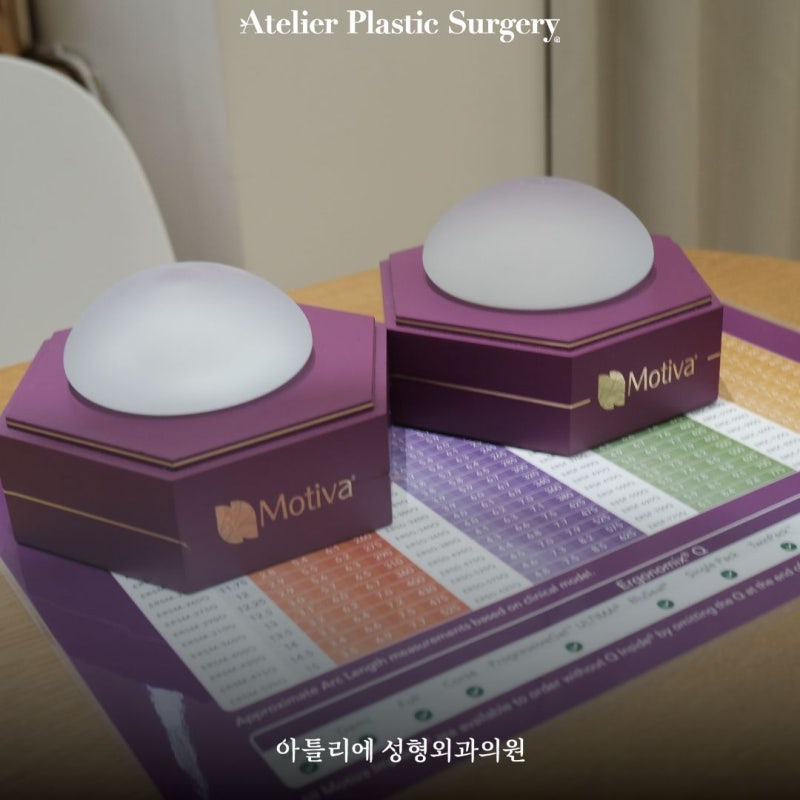
If the damage remains within the capsule,
→ replacement is considered after the capsule and implant are addressed together
If the contents have spread outside the capsule,
→ the approach focuses on preserving healthy tissue as much as possible
In these cases, the deciding factor is not whether a new implant can be placed,
but how much strain the current tissue is under.

Other Factors to Consider When a Breast Implant Ruptures
Removing an implant does not end simply with taking the implant out.
The longer the implant has been in place,
changes in the mammary glandular tissue,
skin sagging,
and reduced elasticity of the supporting ligaments may accompany the procedure,
so the following factors should be considered together.
The extent of removal based on the condition of the capsule
A plan to address sagging after removal
Incision location and scar direction
These considerations
should be fine-tuned through thorough consultation
with an experienced board-certified plastic surgeon to suit each person's condition.
The Role of Consultation in Making Decisions
Implant damage differs in its cause, progression, and recovery process.
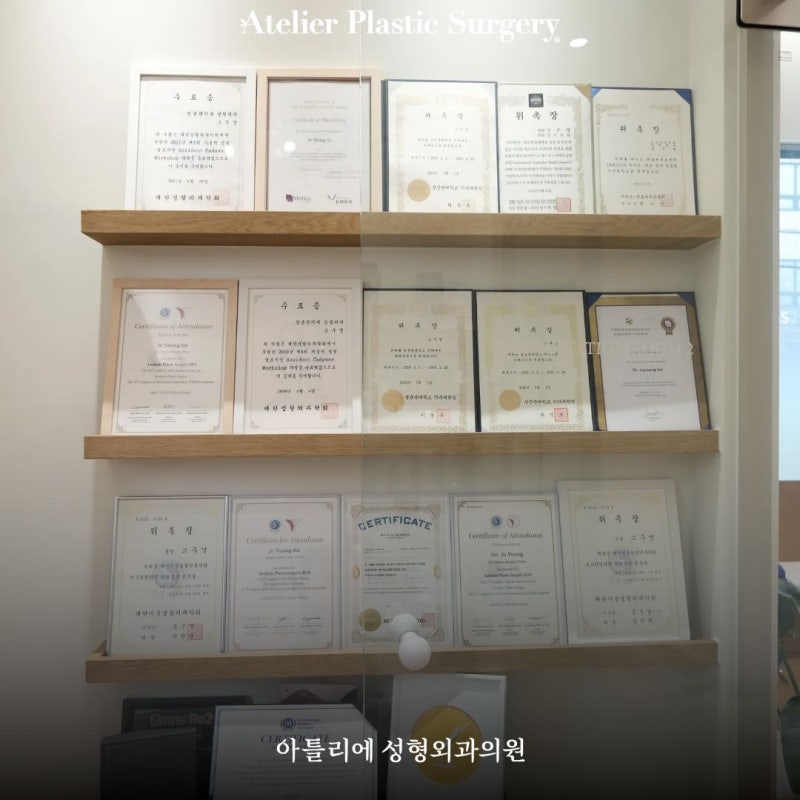
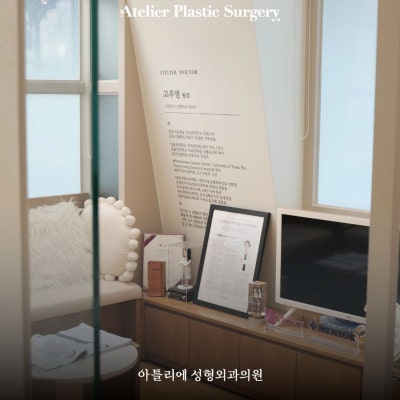
At Atelier Plastic Surgery Clinic near Yeoksam Station,
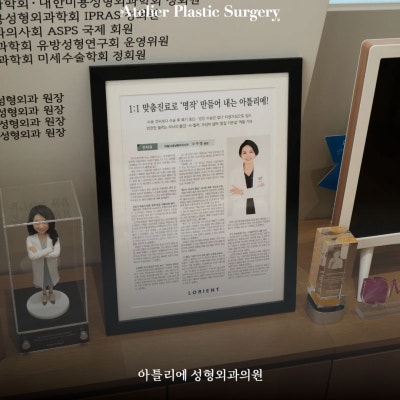
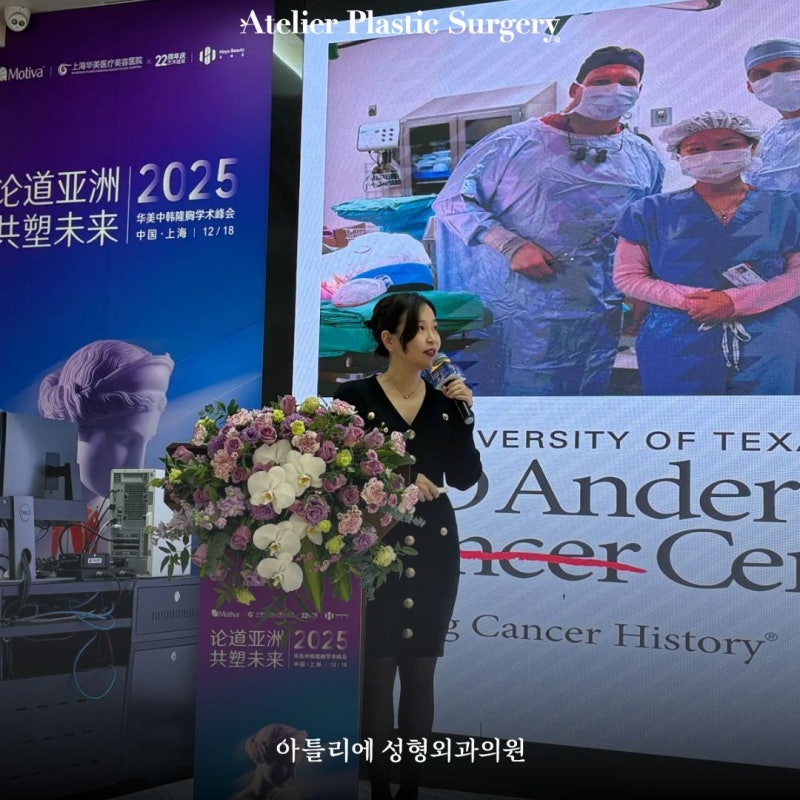
Dr. Ko Ju-young, the clinic's director and a board-certified plastic surgeon with a Ph.D. in Medicine,
through one-on-one consultations,
explains when replacement is needed
and when removal is safer,
and avoids approaches that assume unnecessary reoperation.
Planning based on safety and physical balance
is a practical standard for reducing long-term burden.
You do not need to reach a conclusion on your own.
Concerns about breast implant rupture
are not something you have to decide alone.
Understanding the current condition of your body,
which choices could reduce future strain,
and whether a decision is needed right now
calmly organizing these questions
can be the starting point of recovery.
Frequently Asked Questions
Does a breast implant rupture always cause pain?
Not necessarily. Even if nothing appears seriously wrong from the outside, the capsule may thicken internally, and some people consider replacement or removal even without clear pain. If you feel a foreign-body sensation or notice a change in the balance of your appearance, it may be worth having your implant checked.
What causes breast implant rupture?
In most cases, it is difficult to explain with a single cause. It often happens when an implant has been under prolonged pressure while folded, when capsular contracture makes the capsule excessively hard, or when several conditions act at the same time.
How is implant damage checked?
Damage is first checked by ultrasound to determine whether it is present and how extensive it is. Based on the tissue response, the appropriate option (keeping, replacing, or removing the implant) is then determined, and the surgical approach depends on the results.
If breast implant rupture is confirmed, does everyone undergo the same surgery?
No. The approach differs depending on whether the damage remains inside the capsule or the contents have spread outside it. If the damage is inside the capsule, the capsule and implant are addressed together and replacement is considered. If the contents have spread outside, the approach focuses on preserving healthy tissue as much as possible.
What should be considered along with implant removal?
The extent of removal, a plan to address sagging afterward, and the incision location and scar direction should all be reviewed together. Implant removal does not end with simply taking the implant out. The longer the implant has been in place, the more likely changes in glandular tissue, skin sagging, and reduced ligament elasticity may accompany the procedure.
How is the decision about reoperation made?
An approach that prioritizes safety and balance based on what your body is currently able to handle is needed. Rather than deciding on reoperation first, it is important to objectively assess the current condition of the implant and surrounding tissue, not rely on personal feelings or guesswork.